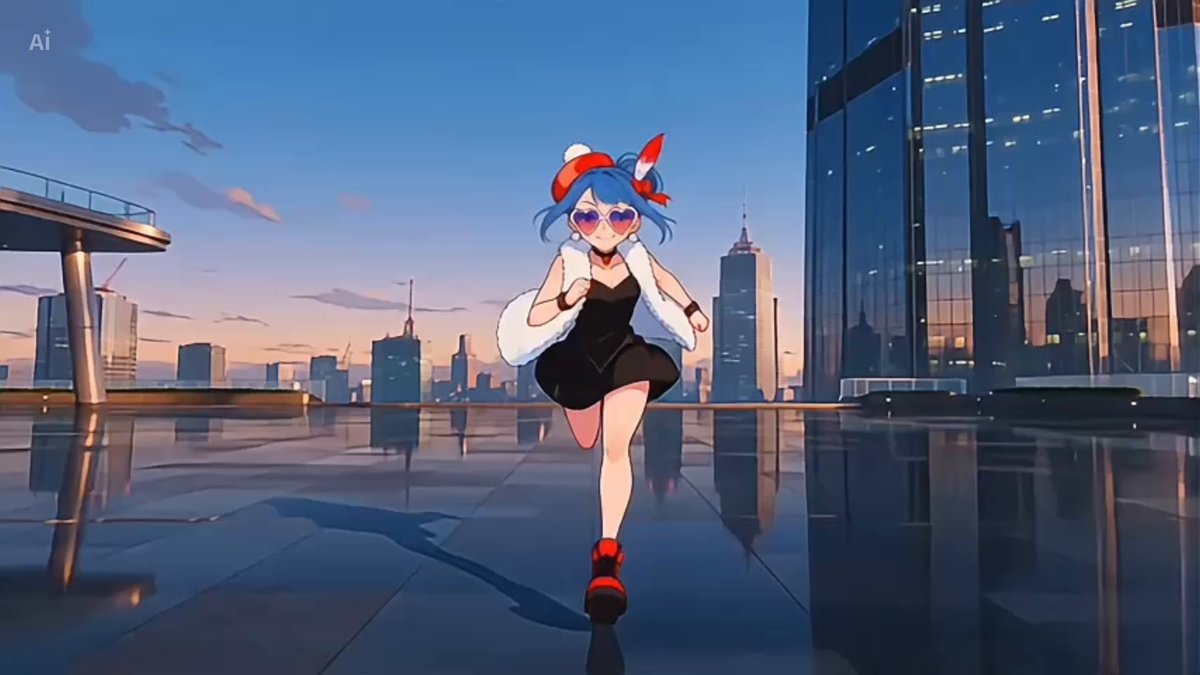
Tiny Anime Saloon Runner
vues18,567
j’aime336
commentaires25
partages39
favoris256
citations2
Perform a temporally aligned video edit of Video1. Preserve its exact 15-second timeline. At every output timestamp t, match the camera view and protagonist position visible at the same timestamp t in Video1. Never advance, delay, compress, stretch, repeat, or omit any part of the source motion. Do not reinterpret the action pacing.

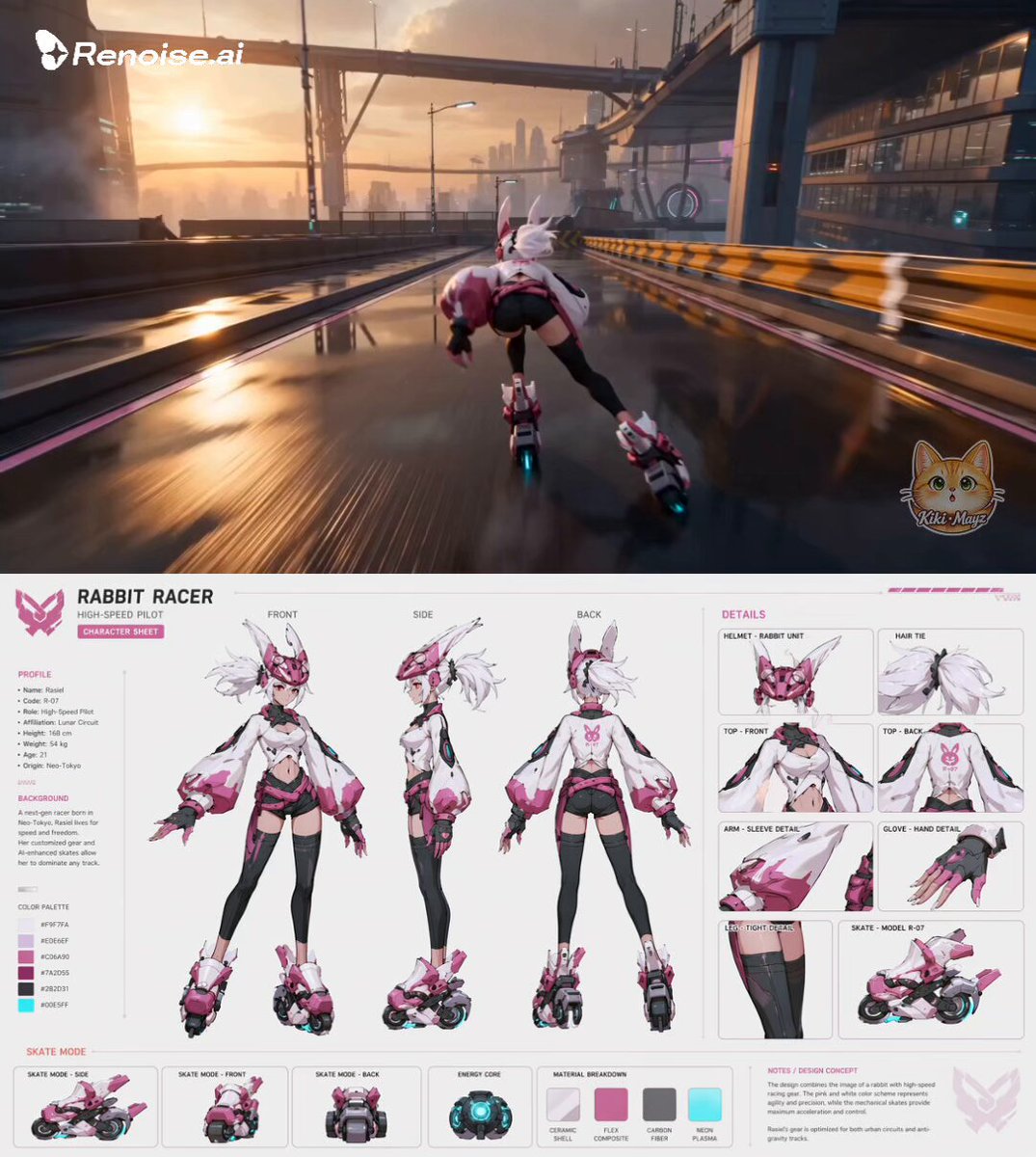
Replace the turquoise box with the character from Image1, exactly 25.4 cm tall. Match the box’s screen position, ground position, direction, and travel speed at each corresponding timestamp. Add articulated running within that locked trajectory. Adapt the footsteps to the source movement without changing arrival times or adding pauses, anticipation, or extra jumps.

Lock these synchronization checkpoints to the source:
0.0–2.2 seconds: upper-gallery movement and approach to the staircase.
2.2–5.2 seconds: descend the upper stair flight and reach the intermediate landing.
5.2–7.4 seconds: turn across the landing and descend the lower flight.
7.4–15.0 seconds: follow the original ground-floor route around the tables.
These checkpoints are alignment checks, not separate shots. The source video remains the authority for every position and transition between them.

Copy the source camera motion, framing, perspective, and existing vibration at matching timestamps. Keep camera movement independent of the running animation.

Preserve the saloon geometry and furniture positions. Add normal-sized adult Western patrons around the existing route, leaving the protagonist and camera paths clear. Render everything as consistent 2D anime with clean linework, painted backgrounds, cel shading, and warm saloon lighting. Crowd activity and stylization must never alter the source timing. One continuous take, exactly 15 seconds.